The Everson Museum currently has two photography exhibitions on display, each complete with its own identity and mission. Together, they afford viewers an opportunity to see a range of images created by well-known and more obscure photographers.
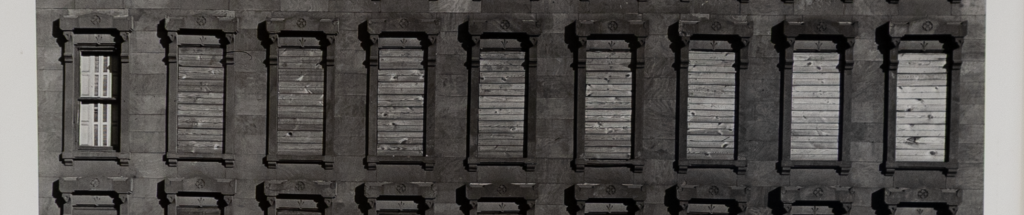
The first collection, “A Long Look at Documentary Photography, 1888-2016” spans across decades. It moves from Jacob Reis’ photographs of New York City tenements in 1888 to the work done by photographers for the Farm Security Administration during the 1930s; from Bruce Davison’s 1982 exploration of coal miners’ lives in South Wales to images taken by modern-day photographers.
The second collection on display, “Life: Six Women Photographers” specifically centers photos that appeared in Life Magazine during the 1930s and 1940s. Those images helped document diverse stories—the construction of Fort Peck Dam in Wyoming, women balancing work and home lives after World War II, basic training for women enrolled in the Women’s Auxiliary Army Corps, and more.
“A Long Look” encompasses various kinds of documentary photography. There’s a selection of images from the huge portfolio built up by the Farm Security Administration, a government agency that hired a squad of photographers to document scenes across the United States.
The exhibit contains Walker Evans’ photo of a storefront in Moundville, Alabama, Arthur Rothstein’s shot of a blacksmith in Lowell, Vermont, and Dorothea Lange’s images of women living in the Texas Panhandle. Elsewhere, Lewis Hines’ photos document riveters working on the Empire State Building in 1931 and young children employed at a cotton mill in Lancaster, Pennsylvania in 1908.
The show also provides exposure for talented photographers who aren’t household names. William Anderson took many images of African Americans living in the Southern United States. He photographed jazz musicians and sharecroppers, homeless people and families at home.
In a similar vein, Cheryl Miller focused exclusively on the everyday lives of African Americans, creating images of a woman pregnant with twins, of community events, of people socializing. “A Long Look” presents her photograph of a card game at a bar after hours, where two men play cards while several onlookers watch, transforming a seemingly ordinary scene into one full of energy and personal connections.
Beyond that, the exhibition displays powerful photos taken by Donna Ferrato whose book, Living with the Enemy, documents instances of women abused by their domestic partners. One image shows a woman and child staying in a Philadelphia shelter. Another portrays a woman staring into a mirror with a bruised countenance.
Although the exhibit doesn’t present many images by contemporary photographers, it does feature “Finding Maurice,” a portrait taken by Ben Cleeton, an artist living in Syracuse.
A caption notes that Maurice was released from prison and reunited with his family. The portrait is part of a larger body of work from Cleeton, who spent a substantial amount of time talking to and photographing Maurice and his family members.
The “Life” images, meanwhile, recall a weekly magazine that once had tens of thousands of subscribers. Together, the photos provide a slice of life of the USA during the 1930s and 1940s and are accompanied by text discussing the roles played by the six female photographers, whose images explore a variety of narratives.
Margaret Bourke-White’s photographs of the construction of Fort Peck Dam appeared in the very first issue of Life, in 1936. She went on to have a distinguished career, covering factory workers in the Soviet Union, the partition of India in 1947, and the liberation of a concentration camp in 1945.
Nina Leen, meanwhile, captured women in the workplace: Josephine Glose working in a doll factory, Dorothy Woottan, an anchor, on the set of an early television show.
Another of the six photographers, Marie Hansen, did an exhaustive photo essay on Women’s Auxiliary Army Corps training, including photos of close-order drills, gas-mask drills and a regimental inspection. There are also images of African American officer candidates off hours, playing cards and socializing. A caption notes that the armed forces were segregated at that point.
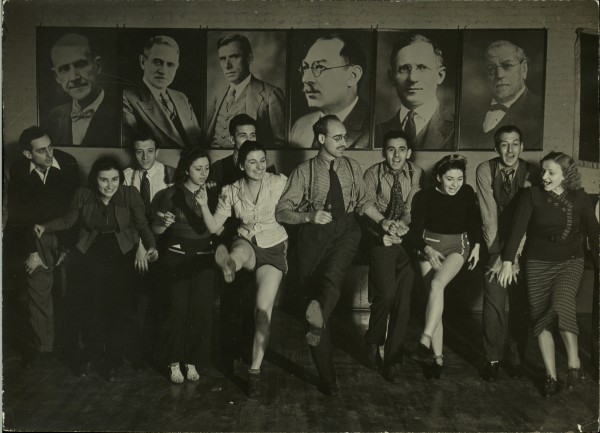
In New York City, Hansel Mieth photographed garment workers, mostly women who belonged to a union. They are seen in a night-school session sponsored by the union, preparing for a basketball game, and at Unity House, a summer resort owned by Local 62.
Mieth focused on socially relevant subjects such as migrant farm workers and Japanese Americans incarcerated in internment camps. When the House Committee on Un-American Activities demanded that she testify about her political activities, Mieth refused to and was fired from her job with Life.
Both these incredible collections are on display at the Everson Museum through September 27, 2026. The museum, at 401 Harrison St., is open from 11:00 a.m. to 5:00 p.m. Wednesdays and Fridays, from 11:00 to 8:00 p.m. on Thursdays, and from 10:00 a.m. to 5:00 p.m. on Saturday and Sunday.
Admission is $14.00 for adults, $10.00 for seniors and students, $5.00 for children ages 6-12, $2.00 for patrons possessing an EBT card, free for museum members, children age five and under, and people serving in the U.S. Military.
For more information, call 315-474-6064.
About the Author
Carl Mellor covered visual arts for the Syracuse New Times from 1994 through 2016. He writes reviews and artist profiles for CNY Arts as a community partner.
Boys by Apple Cart, 1940
Gelatin silver print, 10⅞ x 14 inches
Everson Museum of Art; Gift of Dr. and Mrs. Donald Baxter, 82.20.30
©Aaron Siskind/Virginia Museum of Fine Arts
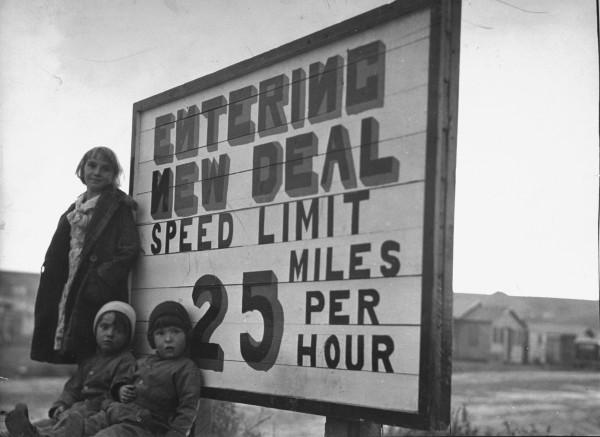
© The Picture Collection LLC. All rights reserved.
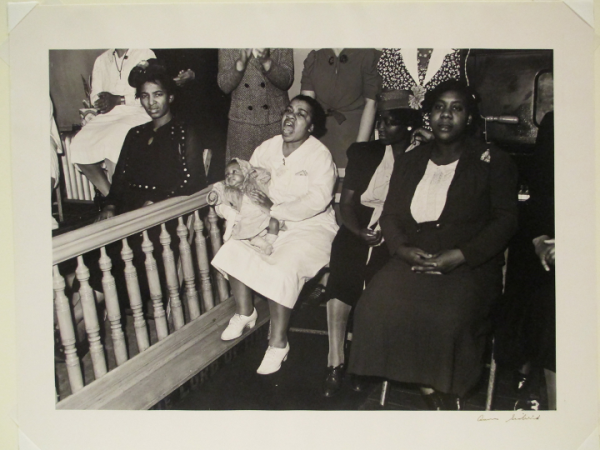
Church Interior, 1938
Gelatin silver print, 11 x 14 inches
Everson Museum of Art; Gift of Dr. and Mrs. Donald Baxter, 82.20.15
©Aaron Siskind/Virginia Museum of Fine Arts
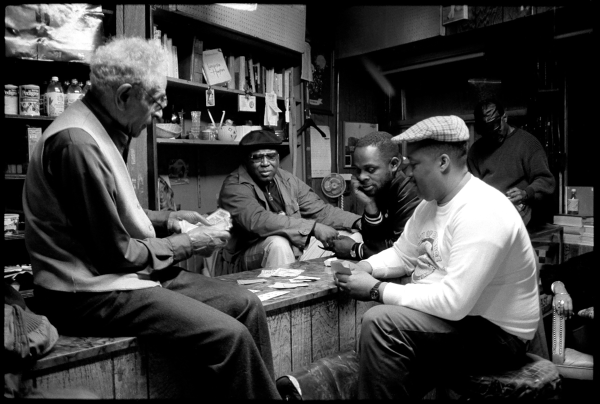
Card Game (Coon Can), 1989
Courtesy of Light Work
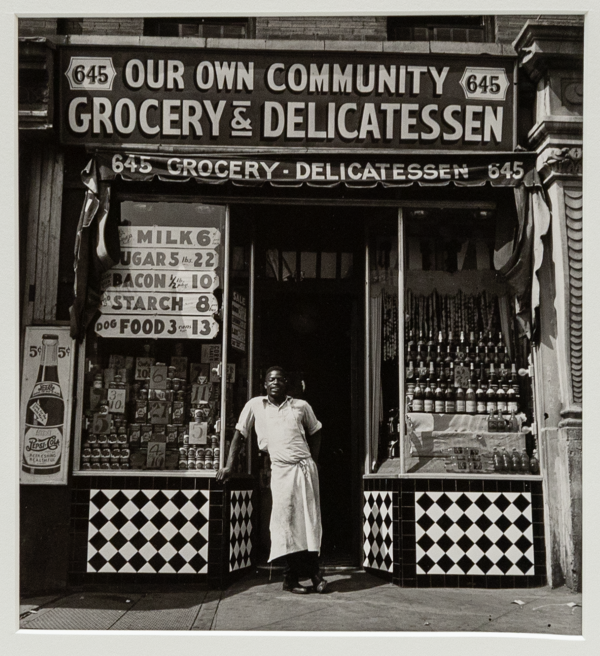
Grocery Store, 1940
Gelatin silver print, 14 x 10⅞ inches
Everson Museum of Art; Gift of Dr. and Mrs. Donald Baxter, 82.20.17
©Aaron Siskind/Virginia Museum of Fine Arts
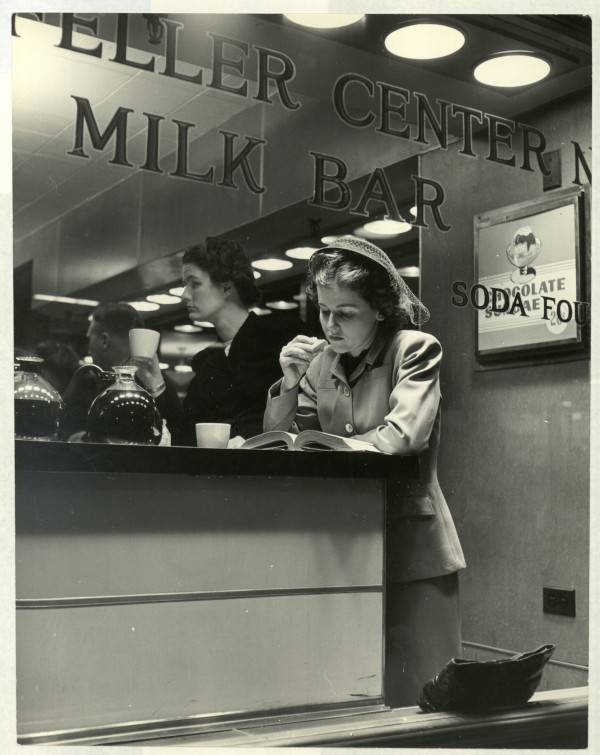
© The Picture Collection LLC. All rights reserved.
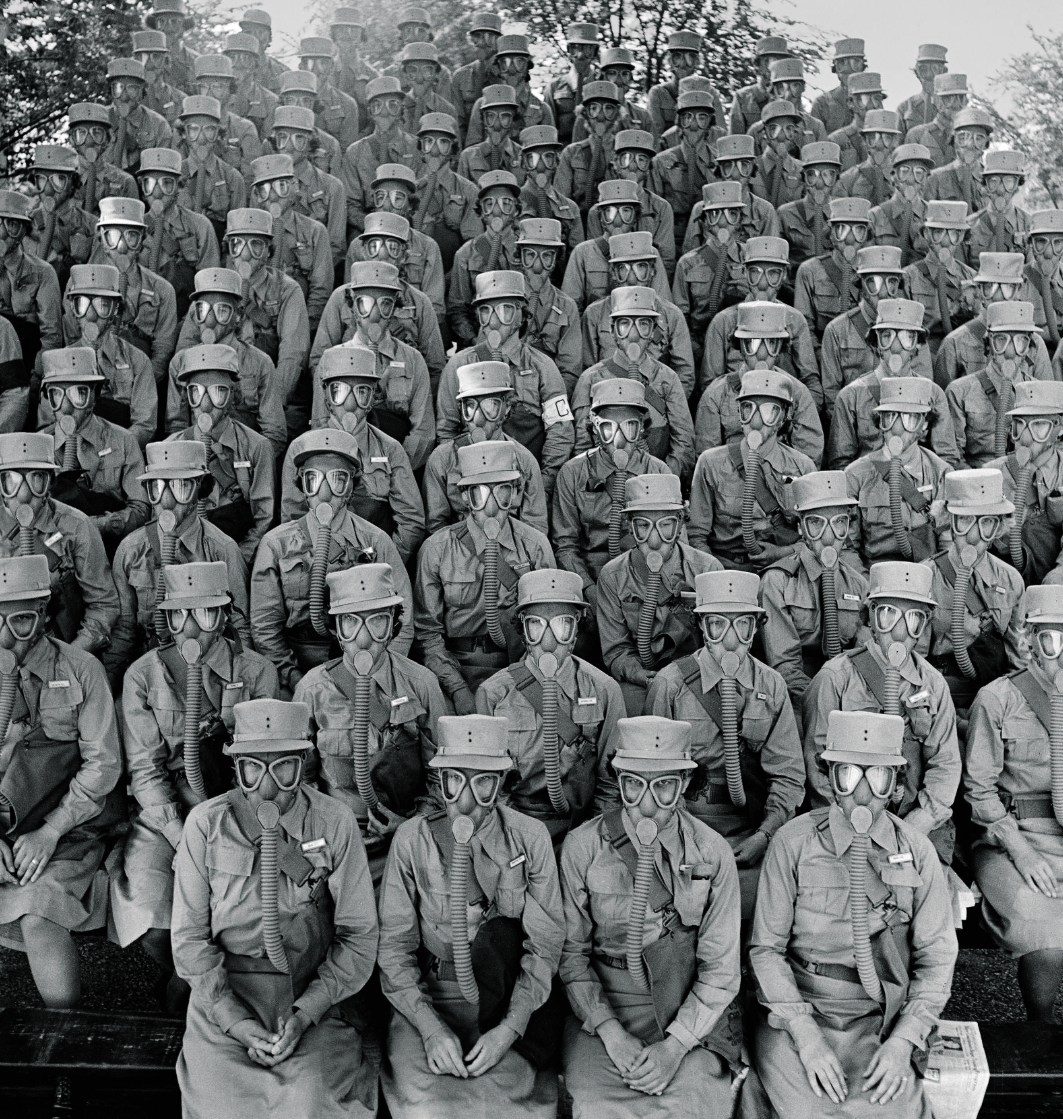
LIFE, September 7, 1942
© The Picture Collection LLC. All rights reserved.
LIFE, August 1, 1938
© The Picture Collection LLC. All rights reserved